
We connect Shelby County residents with programs and resources that support financial stability and independence.
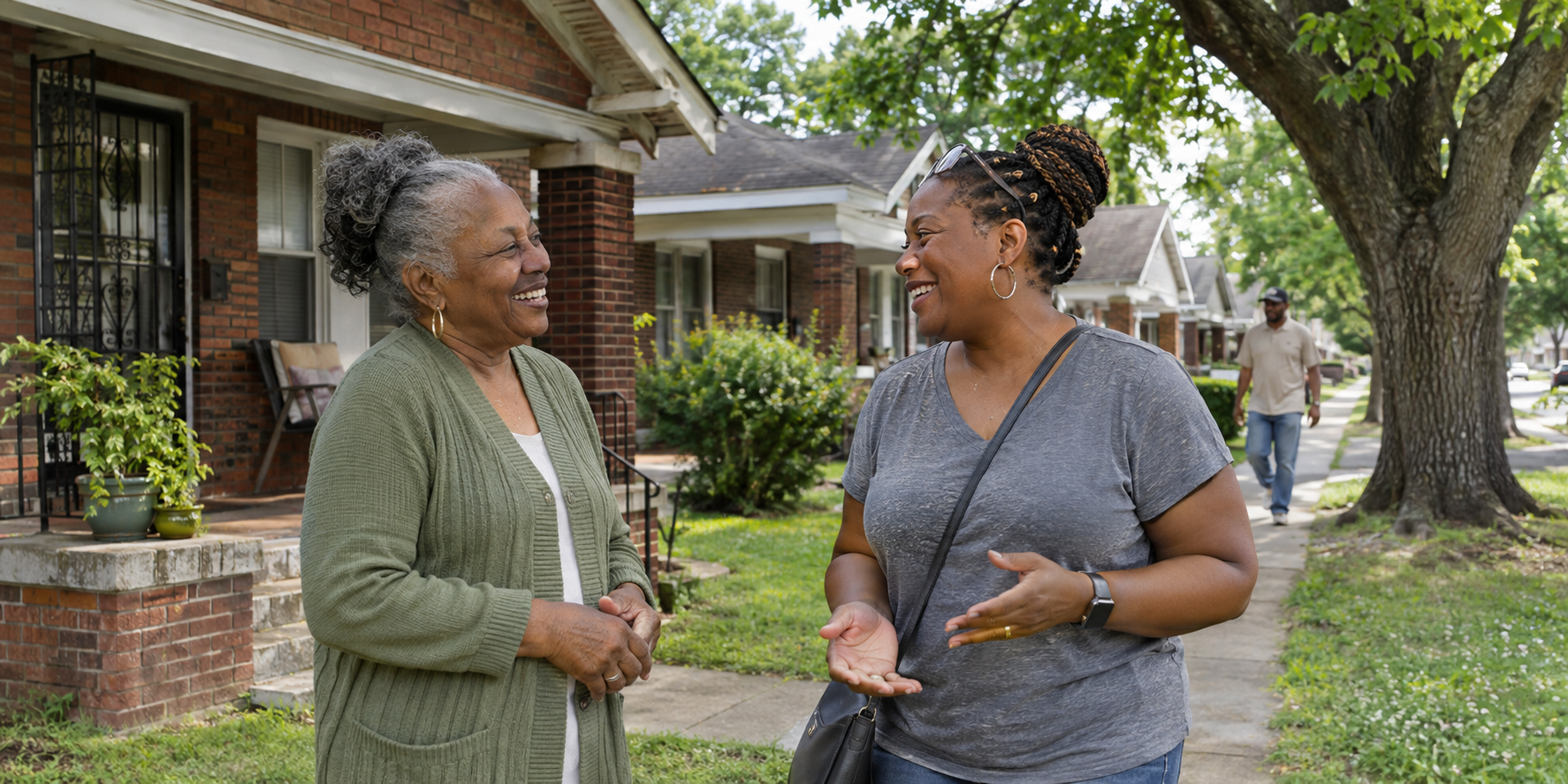
Mission & Vision
Our Mission
To create a thriving community through education, resources, and partnerships that promote growth and financial independence for individuals and families in Shelby County.
Our Vision
The Community Services Agency is focused on helping people improve their lives through economic security and independence, and on helping our community by creating changes today that will bring about a brighter tomorrow.
Programs & Funding
Explore CSA programs for help with energy bills, housing costs, prescriptions, and other needs.
How Our Programs Are Funded
The Community Services Block Grant (CSBG) supports programs and services that help households with low incomes work toward financial stability.
The Low-Income Home Energy Assistance Program (LIHEAP) helps eligible households with home energy costs. The Tennessee Housing Development Agency administers LIHEAP funding in Tennessee.
Advisory Board
The Advisory Board advises CSA on program plans and priorities and helps the agency stay responsive to community needs.
Meetings are open to the public. Contact CSA for meeting information.
Public records
Advisory Board Meeting Minutes
2026 Meeting Minutes
2026 minutes are not posted here yet.
View 2025 Meeting Minutes
Title VI Compliance
Shelby County Government assures nondiscrimination in federally assisted programs.
Read the Title VI policyThis website is supported by Grant Numbers 93.569 (Community Services Block Grant) and 93.568 (Low Income Home Energy Assistance Program) from the Office of Community Services, a division of the U.S. Department of Health and Human Services.
Neither the Administration for Children and Families nor any of its components operate, control, are responsible for, or necessarily endorse this website (including, without limitation, its content, technical infrastructure, and policies, and any services or tools provided). The opinions, findings, conclusions, and recommendations expressed are those of the author(s) and do not necessarily reflect the views of the Administration for Children and Families.


